photographerlistings.org
The most thorough and established web directory for photographers
★ Get your own unique FAQ + Selling Points on your profile page
★ be seen by 1000s of daily visitors and win new business
photographerlistings.org Miniblog
AI Can Fake A Face, But It Still Can't Calm A Nervous Subject
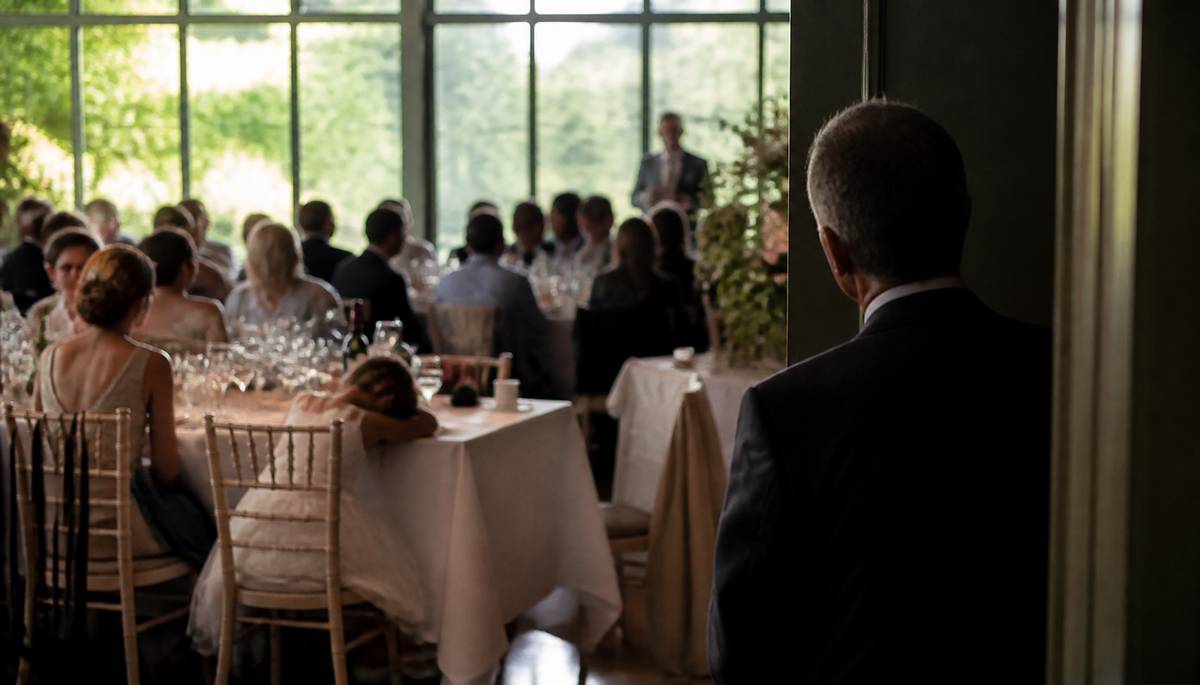 Software can now invent a flawless stranger, stage a holiday no one took and produce a sunset so dramatic the real sky would file a complaint. Cute trick. It still can’t handle the part of photography that involves actual humans behaving like humans.
The best image at a wedding is rarely the stiff, ceremonial smile under the flowers. It’s the father pretending he’s fine from the back of the room, or the child collapsing into boredom halfway through the speeches. Those pictures don’t happen because a camera is clever. They happen because a photographer is watching, guessing, waiting.
That takes timing, and timing is not just speed. It’s judgement. Good photographers read faces, body language and the tiny shifts between people, then put themselves in the right place before the moment lands.
Portraits make the gap even clearer. Plenty of people arrive already apologising for their face, as if they’ve personally let photography down. A skilled photographer can settle nerves, give direction without making someone feel managed, and know when silence works better than chatter.
Then there’s taste. Two people can stand shoulder to shoulder with similar kit and come away with utterly different frames, because they notice different things.
The technical side has been getting easier for years. Helpful. Efficient. Fine. But deciding what matters is still gloriously, stubbornly human.
Posted on 27 September 2026
Why Did Don McCullin Hate His Most Famous Vietnam Photograph?
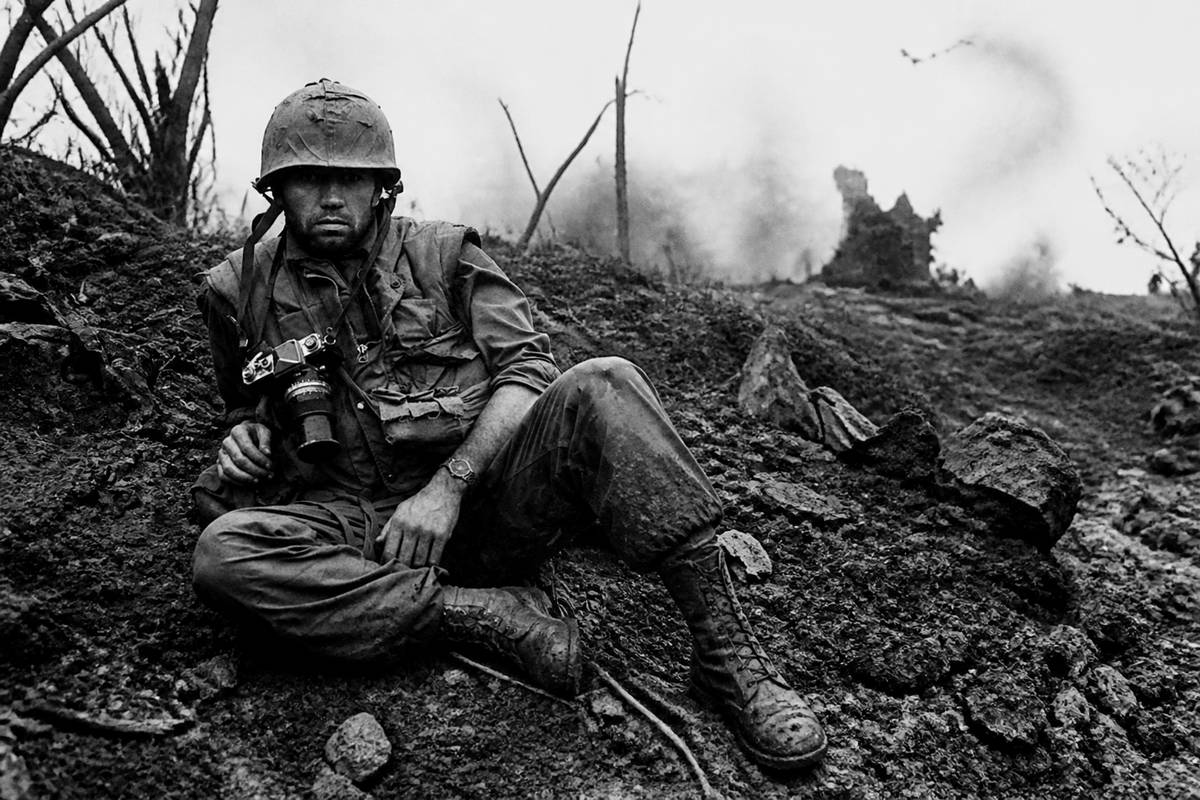 Don McCullin’s most famous Vietnam image made him uneasy for a reason: he feared people were looking at it too comfortably.
The photograph, taken during the 1968 Battle of Hue, shows a US Marine sitting still, rifle in hand, eyes emptied out by battle. McCullin said he shot five frames and the man did not so much as blink. The picture became one of the defining images of the war. McCullin, now 90, never quite forgave it for that.
His objection was not false modesty. He believed war photography should unsettle, not become something neat, admired and digestible. If an image turns “iconic” in a way people can easily absorb, he felt it risks softening the reality it was meant to expose. That was the problem. The picture was too powerful, perhaps, but also too bearable.
Speaking ahead of the publication of what he says will be his final book, a Vietnam retrospective drawn from decades of work, McCullin made clear that pain was always the point. He wanted viewers to feel some of the distress he carried home.
Hue never left him. He went in expecting a 24-hour operation and was still there 11 days later. He still says he relives that battle every night. At one point he even put down his camera and carried a wounded Marine to safety. For McCullin, witnessing suffering was never meant to be a spectator sport.
Posted on 22 September 2026
Don't Empty The Office: Why "Too Tidy" Looks Fake On Camera
 A spotless office can look less professional than you think. Not because mess is charming, but because cameras are ruthless little snitches. They catch the dead plant, the spaghetti of cables, the leaning stack of boxes and that heroic coffee mug nobody’s claimed since February.
Clear the junk first. Loose papers, overstuffed noticeboards, cleaning gear, tatty packaging and random background clutter all drag attention away from the business itself. Reception, desks and anywhere customers see should get the hardest stare.
But don’t scrub out every trace of life. That’s how you end up with a photo that looks like a furniture showroom run by ghosts. Keep the things that explain the work: tools, products, samples, equipment, signs of actual purpose. Lose the stuff that says only, “Nobody’s sorted this cupboard.”
Plan displays before the photographer turns up. Clean products, bin damaged packaging and decide what deserves centre stage. Studio time is expensive; indecision is too.
Tell staff what’s happening as well. If people will be in shot, they should know what to wear and what they’ll be doing. Most humans look less awkward when a giant camera hasn’t ambushed them.
Think about timing. Light changes, busy periods get in the way, and rooms can look wildly different by the hour. Aim for believable, not bizarrely perfect.
Posted on 18 September 2026
How Did Half-Finished Meals Become Emotional Time Machines?
 A half-eaten plate of pasta should not, by any obvious logic, have the power to flatten you with feeling ten years later. And yet it does. Not because the food was special, or the lighting cinematic, or anyone had the decency to pose, but because the picture caught life mid-sentence.
That is the quiet force of everyday photography. The images that stay with us are often not the grand ones but the ones that noticed something slight: light across a kitchen table, muddy shoes by the door, a person waiting for the bus, children lost in their own world, an older couple talking over coffee. These details look minor at the time. They are not.
Spontaneous expressions matter here too. A real laugh, a look of concentration, hands busy preparing dinner: these say more about a person than the standard command to face the camera and smile. It is one reason this style works so well in family, wedding and documentary photography, where observation can reveal more than direction.
Phones and modern cameras make these moments easier to catch, certainly. But the equipment is not the magic bit. Attention is. Technique still matters, and carefully arranged images absolutely have their place, especially in fashion and commercial work. Still, authenticity has widened the idea of what deserves preserving.
Sometimes the photograph you value most is the one taken while nobody paused long enough to notice it.
Posted on 13 September 2026
Could GPT-6 Astra Kill The Most Tedious Hour Of Every Photo Shoot?
 The dullest part of many photo shoots begins after the best frame has been taken. Cards are ingested. Folders are named. Near-duplicates are sifted through. Contact sheets are built. Exports are spun out for web, print and social feeds. It is necessary work, but rarely the part anyone fell in love with.
GPT-6 Astra hints at a future where much of that grind could happen with far less manual effort. OpenAI says Astra is built to use computers, move between applications and complete multi-step professional jobs, not merely suggest what to do next. For photographers, that points to software that could import files, organise projects, flag weak shots on technical grounds, apply preset processing rules and package finished images for different uses.
The administrative burden could shrink too. Portfolio updates, client paperwork, website changes, project notes and routine quality checks may become far easier to hand off. OpenAI also reports stronger visual judgement in digital production, which matters in image-heavy work.
None of this removes the photographer from the picture. Cameras still need hands, rooms still need reading, and people still need coaxing into honesty or stillness. No system is going to calm a wedding party or catch the exact look that flickers across a face.
The real shift may be simple: less time at the screen, more time seeing.
Posted on 5 September 2026
Why Can Two Steps Sideways Save A Photograph?
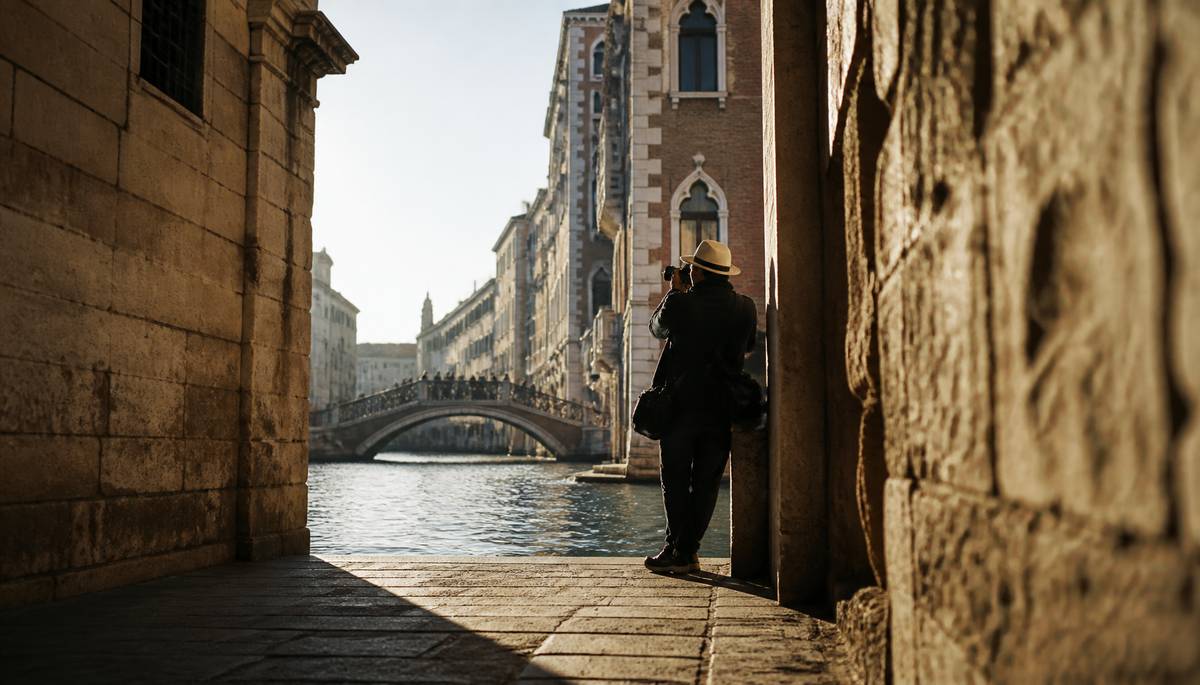 Most people look at a place and see a place. A photographer looks at it and sees an argument with the light.
That is why two steps sideways can rescue a picture. Not with trumpets and fireworks, but by solving the little visual crimes that spoil an otherwise decent frame. Light is usually the first suspect. It is not enough that a spot is bright; what matters is where the light is coming from, how it falls across a face or object, and what sort of shadows it throws in after it. Shift a few feet, and the whole mood may change.
Then there is the background, that sly assassin of good photographs. A lovely subject can be quietly murdered by a bin, a sign, or some lurid object hanging about behind it. A small change in camera position often clears the mess without moving anywhere at all.
Photographers also clock reflections most people ignore: windows, puddles, mirrors, polished tables. These can add symmetry, colour, or a second version of the scene. They notice lines, too—roads, fences, walls, paths—that pull the eye towards the subject and lend depth.
And then the trifles: a tree sprouting from someone’s head, a tilted picture frame, a stray object at the edge. In life, barely noticed. In a photograph, practically shouting. Practice teaches you this. Often the difference between ordinary and striking is not the location, but how carefully you look at it. Posted on 31 August 2026
The Cloudy-Day Secret That Flatters Portraits Instantly
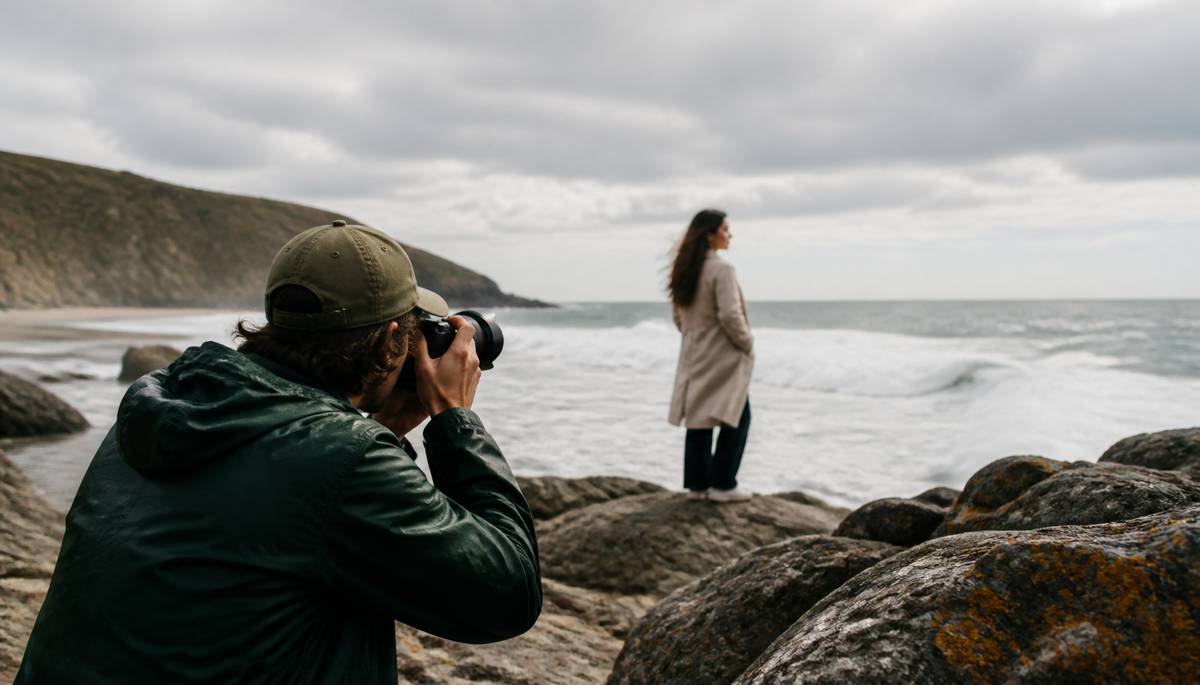 Photographers talk about golden hour like it’s the only hour. It isn’t. Cloud cover can be a gift, especially for portraits, because a grey sky works like a giant softbox. Very considerate for something that also ruins picnics.
On a bright midday shoot, the sun tends to stand directly overhead like an interrogator. It carves dark shadows under eyes and noses and pushes contrast hard. You can fight back by moving into open shade, turning your subject, or leaning into the drama and using those sharp shadows on purpose.
Cloudy weather does the opposite. It smooths the light, lowers contrast and softens skin, which is why portraits often look instantly kinder on overcast days. Close-ups benefit too. Textures stay visible without bright highlights shouting over everything else.
Indoors, the problem is less softness and more disagreement. A window gives one colour of light, a lamp gives another, and ceiling lights often join in uninvited. Small changes help: bring the subject nearer a window, switch off a stray lamp, adjust your settings.
Light also refuses to sit still. At weddings, events or outdoor sessions, clouds move, buildings block sun and everything changes in minutes. Good photographers keep watching, not wishing.
Perfect light is brief. Useful light is everywhere.
Posted on 24 August 2026
Leica's Mariupol Dilemma Exposes The Hidden Politics Of Photo Prizes
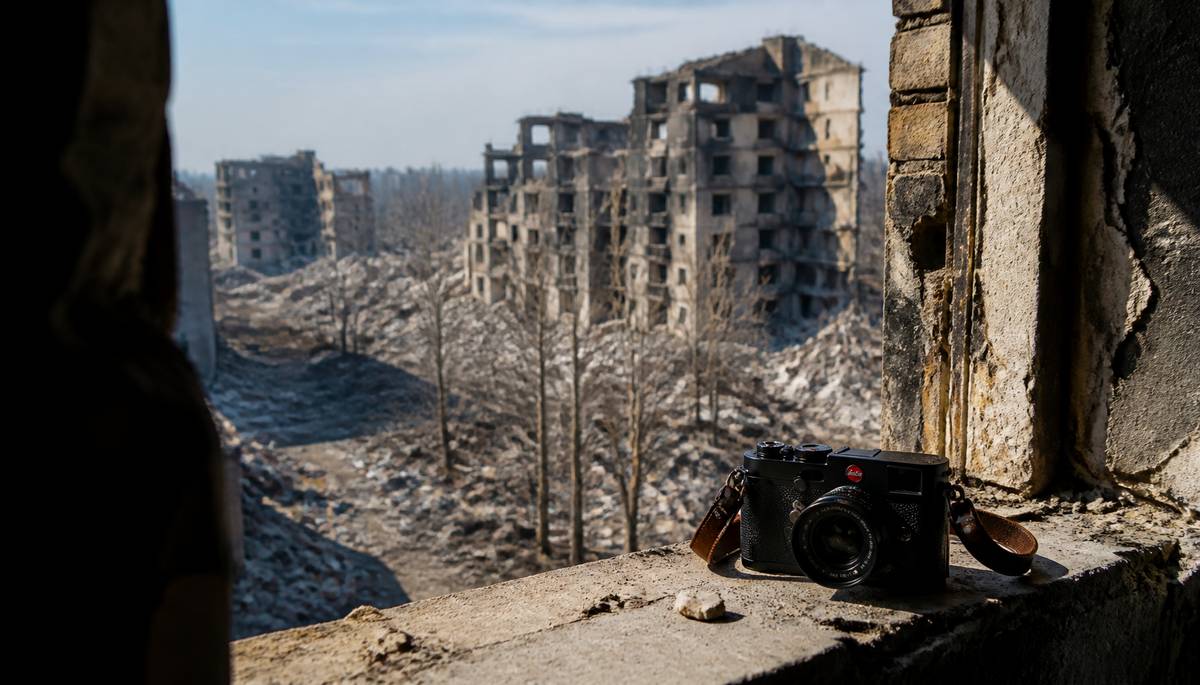 Leica has walked into a storm of its own making. The Oskar Barnack Award, long associated with humane, attentive photography, found itself facing an awkward test after a Russian photographer was shortlisted for work shot in occupied Mariupol, a city shattered by Russian bombardment.
The problem was not only the pictures, but the shadow behind them. The Kyiv Independent reported that the photographer allegedly had links to the Kremlin. Leica moved quickly and removed the entry from the shortlist. That was more than a procedural decision. It was a statement.
Photo prizes like to present themselves as temples of vision, where only the frame matters. Yet images do not arrive scrubbed clean of circumstance. Who made them, under what authority, and to what end can matter as much as composition, light or timing. In a place such as Mariupol, those questions grow sharper still.
That leaves juries in a bind. Ignore the context, and a competition risks lending credibility to work that may function as messaging rather than witness. Factor in the context, and the old claim that art stands apart from power begins to look thin.
Leica chose its side. By striking the candidate from the list, it made clear that for this award, photographic merit alone is not enough. The story behind the image counts too, and perhaps it always did.
Posted on 18 August 2026
The Morganton Yearbook Photographer Who Accidentally Became A Local Historian
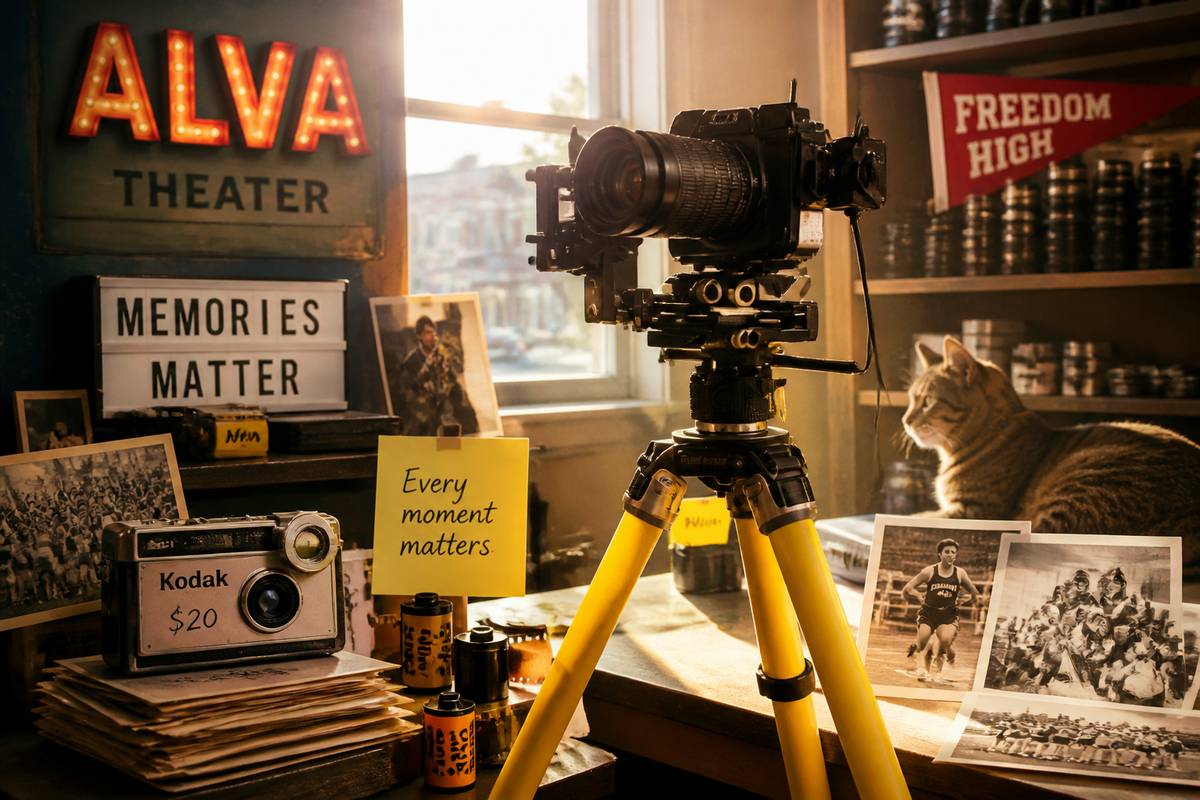 John Payne began with a battered Kodak bought for 20 dollars from a shop up the street in Morganton in 1975. He was 12. That small purchase turned into a life in photography, and, almost by accident, a second career as the keeper of other people’s memories.
He now works from the former Alva Theater, built in 1929, and his studio houses an extraordinary collection: roughly 450 Nikon F-mount camera bodies and a similar number of lenses, including an early Nikon F3 once linked to the Reagan-era White House. Impressive, certainly. But the truly important archive is far less flashy.
From the mid-1970s to 2001, Payne photographed school life across Morganton, including years spent shooting for the Freedom High yearbook after college. Sports days, clubs, pep rallies, homecoming portraits, teachers, pupils, all the fleeting business of adolescence that never feels historic at the time. He processed vast numbers of those images in a darkroom in his parents’ basement and, crucially, kept the negatives.
Now he digitises them frame by frame, often with his cat Alva nearby, and posts them online in small batches. The reaction is immediate and often emotional. Former students spot friends, relatives and favourite teachers. A simple school photograph becomes proof that ordinary moments matter, and that local history is often built from what someone had the sense not to throw away.
Posted on 13 August 2026
The Sliding Lens Cover Is Back And It Means More Than Nostalgia
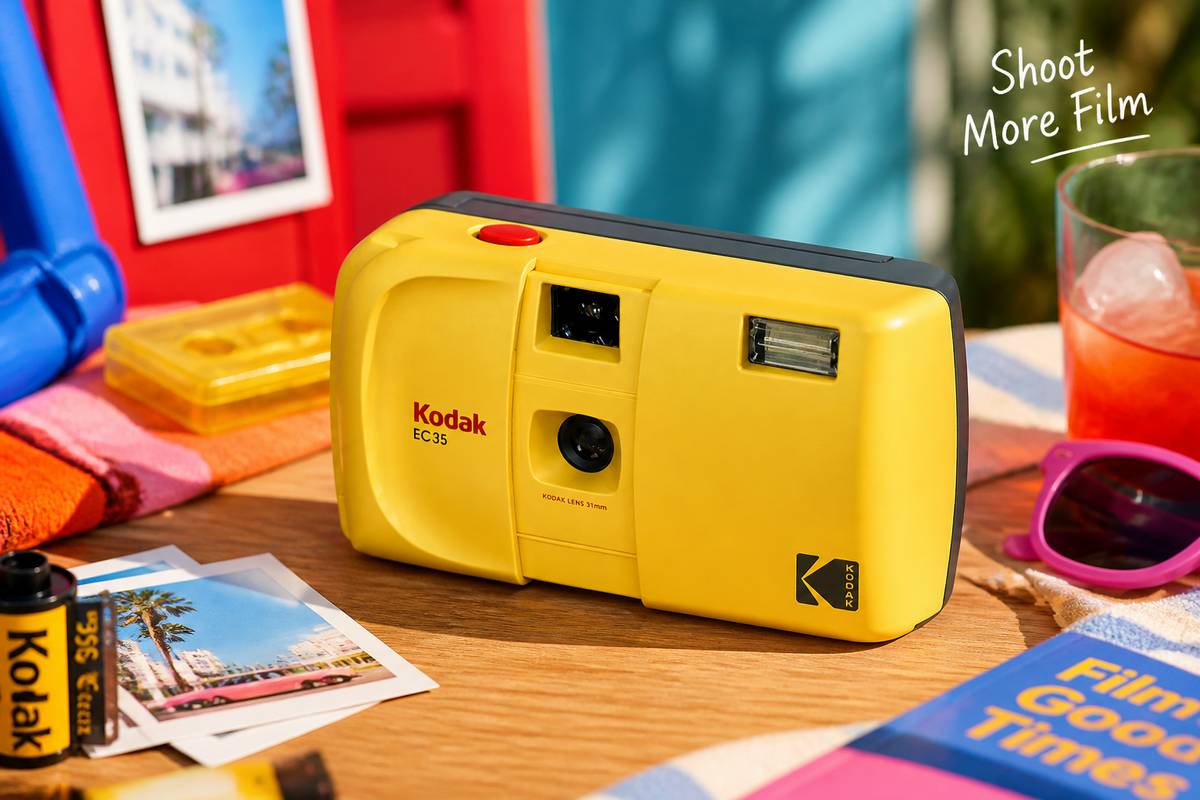 The sliding lens cover has returned, and not merely as a wink to collectors who remember the Contax T3 or Olympus Mju-II. On the new Kodak EC35, made by Kodak licensee Reto, it signals something more practical and more interesting: film makers still think fresh buyers are out there.
The EC35 is about as simple as a camera can be. Fixed focus, fixed exposure, plastic lens, built-in flash, and a price of roughly $35. No film in the box, no mystery about who it is for. It is plainly aimed at people who like the look of film without wanting to wrestle with a camera that behaves like a small mechanical god.
Lomography has made a similar bet with its Half-frame Simple Use Reloadable Film Camera. It arrives loaded, works like a disposable, but can be used again and again. It shoots half-frame images, so one 35mm roll yields twice as many vertical photos, which rather neatly suits the phone-shaped way people now look at pictures. It starts at $30 with black and white film, $35 with colour.
Neither camera breaks new ground. That is the point. Their existence suggests established brands still see growth in film, especially among younger photographers drawn to retro design, lower costs and a slower, stranger way of seeing.
Posted on 8 August 2026
Retro Cameras Are Winning Because Perfection Got Boring
 Almost nobody truly requires a separate camera now. That is the awkward premise on which the camera business increasingly rests, because for ordinary snaps the smartphone has already won: it is quicker, cleverer, connected, and always to hand. So the surviving camera makers have finally stopped asking how to out-spec the phone and started asking a better question: how do you make people lust after a device they do not strictly need?
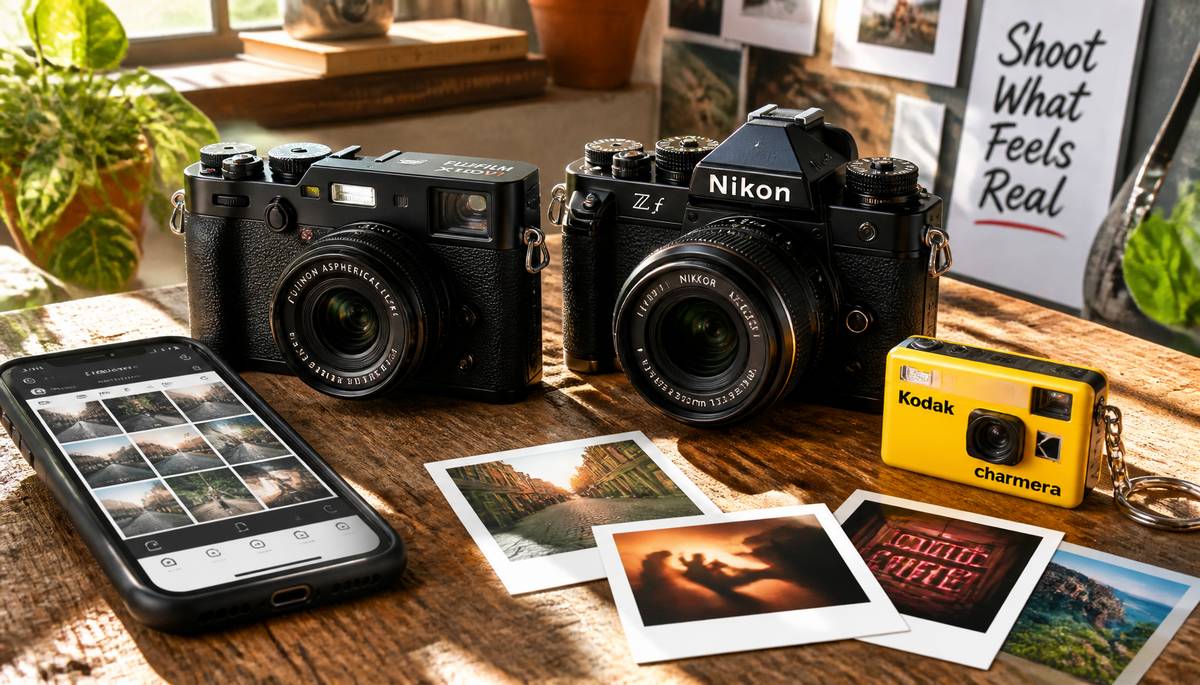
The answer turns out to be charm. Fujifilm’s X100VI and Nikon’s Zf did not become objects of desire because they were merely competent; they offered tactility, dials, ritual. The X100VI was effectively unobtainable after launch in 2024, with waiting lists stretching for months and resale prices climbing. It still topped Map Camera’s sales chart that year, while the Zf placed fourth. That is not noise. It is evidence.
Then there is the absurd little Kodak Charmera, a $35 keychain camera with a feeble 1.6-megapixel output, roughly 1,440 pixels across. By conventional standards it is dreadful. It sold out anyway, attracted scalpers, and even won iF and Red Dot design awards. Why? Because clinical perfection has become a bore. People now want grain, quirks, inconvenience even; photographs that feel lived in rather than machine-polished.
This strategy carries risks: scarcity can sour into irritation, and faux-retro cash-ins are easily spotted. Even so, it is a far smarter bet than trying to beat the phone at being a phone.
Posted on 31 July 2026
How Tiny Imperfections Became Photography's New Badge Of Truth
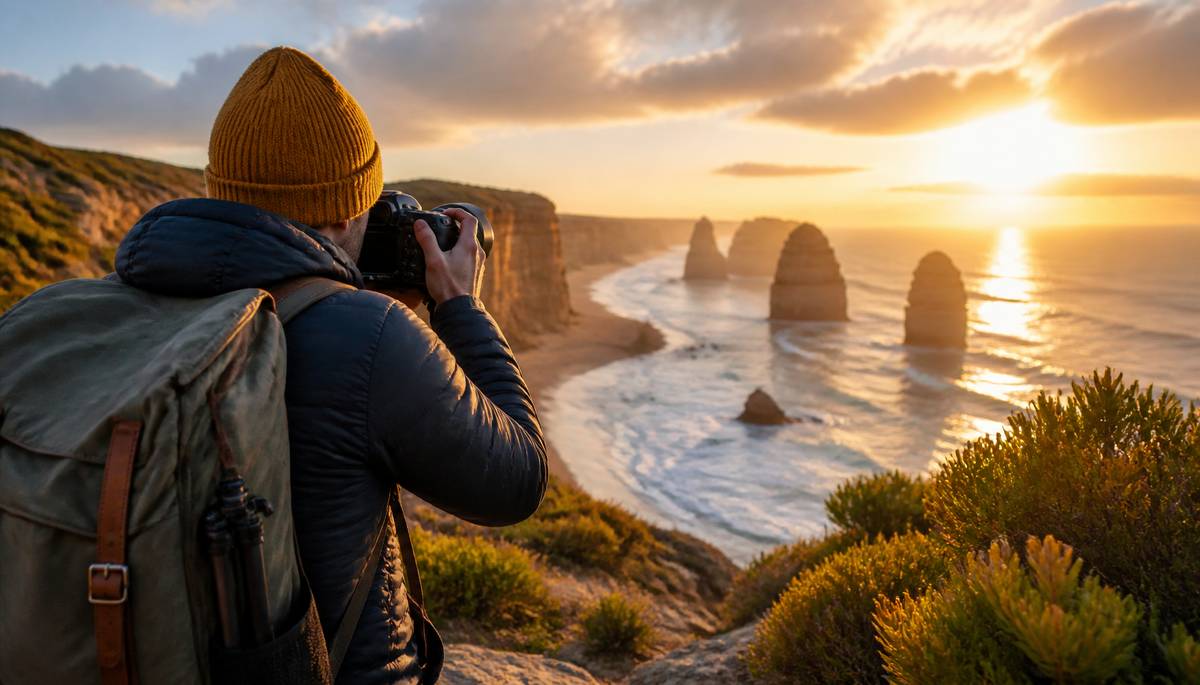 Photography has developed a curious new habit: admitting, with a straight face, that reality looked rather like reality. The Straight Out of Camera movement is built on a simple idea. Make the picture in-camera, not on a laptop three hours later while arguing with a sky replacement tool.
That shifts the emphasis back to the unfashionably important things: composition, timing, light and camera settings. Photographers working this way spend less energy rescuing images in post and more on noticing what is actually in front of them. They wait for the right expression, adjust exposure properly, frame with intent, and make peace with whatever the weather has decided to do.
The appeal is practical as much as philosophical. It sharpens technical skill and creative judgement because editing is no longer the universal emergency exit. You either read the light correctly or you don’t. You either catch the moment or watch it stroll off.
It also speaks to a wider hunger for authenticity. As software grows increasingly capable of removing clutter, swapping skies and smoothing faces into a kind of synthetic politeness, viewers are beginning to trust small flaws more. A slightly imperfect highlight, natural colour, honest lighting: these can make an image feel more believable, not less.
This doesn’t mean rejecting technology. Cropping, exposure tweaks and colour correction still have their place. The difference is scale. The edit supports the photograph instead of reinventing it.
Posted on 25 July 2026
The Film Comeback Is Being Choked By Machines Nobody Makes Anymore
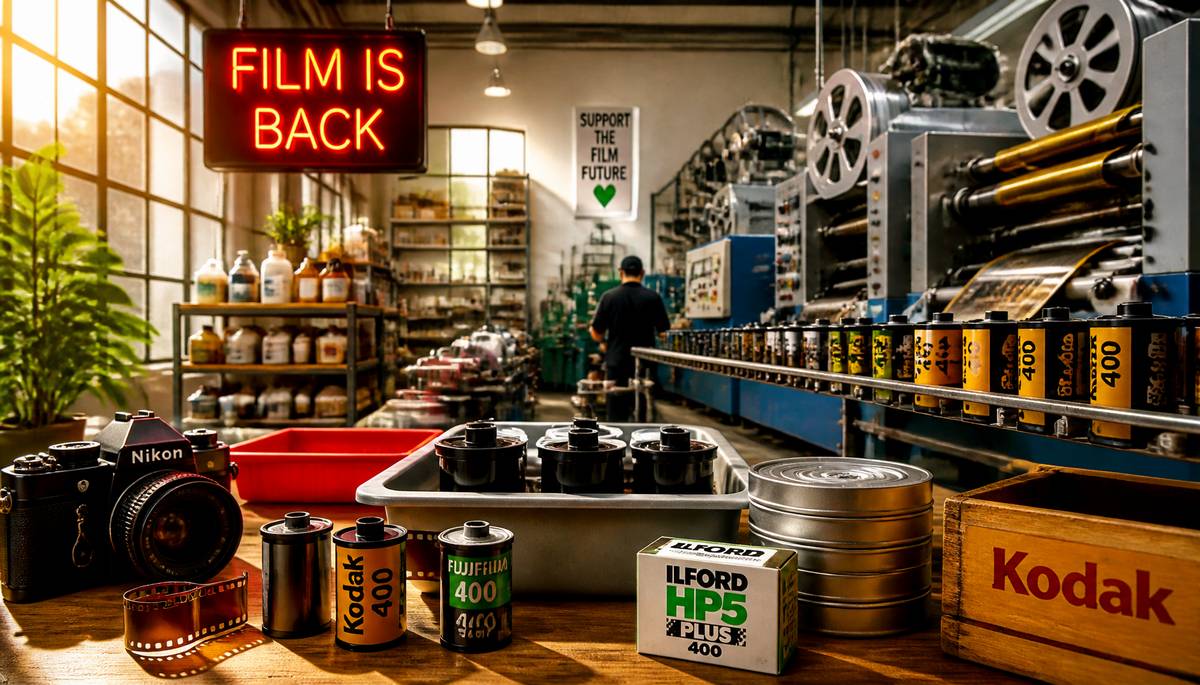 Film is back. Not in a polite, “oh hello again” sort of way, but in a proper barging-through-the-door comeback. The snag? Much of the industry is running on machinery older than some of the customers.
That’s the odd little drama here. Young photographers, especially Gen Z, have taken to film for its grain, quirks and deliberate pace. Since around 2020, interest has surged, and shops that once ditched their processors are buying new ones. Near Baltimore, National Photo has spent more than $100,000 on fresh developing kit after film work grew to 70% of its business.
Manufacturers are scrambling too. Kodak has expanded shifts in Rochester to round-the-clock production and previously hired hundreds of staff, yet still says more investment may be needed. Harman-Ilford has spent millions on new 35 mm cassette machinery because replacement parts for older kit have become painfully scarce. That’s the key problem: film demand is rising, but the tools to make film and process it are often worn out, custom-built, or simply no longer made.
Chemicals are holding up slightly better. Only a couple of firms make them at scale, including Fujifilm and Michigan’s Photo Systems, whose sales are up about 50% since 2021. Even so, supply chains are thin, with some crucial ingredients sourced only from China or India.
A comeback, then, yes. But one being held together with silver, patience and a spanner. Posted on 19 July 2026
The Camera That Filmed Artemis II Might Not Survive The Year
 A camera that helped carry the sight of Artemis II to the world may itself be nearing the brink. GoPro, long the hardiest name in action cameras, is under growing financial strain, and the latest signs are hard to ignore.
Founder Nicholas Woodman has stepped in with a $20 million loan at 6.5% annual interest, buying time rather than solving the problem. Reports suggest the company may not make it through 2026 unless a buyer is found or fresh funding appears. That grim prospect follows a poor first quarter: revenue fell 26% year on year, while camera sales dropped 29% to 313,000 units.
GoPro has already said it is reviewing its options with help from a financial adviser, and Woodman has backed that process. A sale now looks more likely than a recovery on its own. Even so, any new owner would inherit falling sales, rising debt and a business already cutting deep, with 23% of staff due to go by the end of the year.
There have been sparks of ambition. GoPro recently announced three pro-grade models — Mission 1, Pro and Pro ILS — and has been pushing into aerospace and defence, markets with obvious scale. Its role in imaging Artemis II showed the brand still carries technical weight. But with Insta360 pressing hard and GoPro also losing a patent dispute, prestige may not be enough.
Posted on 14 July 2026
The 10-Day Window That Could Upend Freelance Photography
 A ten-day exclusivity period might sound like a minor legal footnote. For freelance photographers, it looks more like the thin end of a very expensive wedge.
The row centres on a new Wall Street Journal freelance contract introduced last November. More than 650 current and former contributors have now backed a campaign against it, arguing that it hands the paper far too much control over commissioned images. The chief concern is a work-for-hire clause that would make the Journal the primary author of pictures shot on assignment, breaking with the long-standing norm that freelancers keep ownership of their work.
The Journal says the changes protect its archive, has increased day rates, and says photographers would regain joint copyright and be free to license images after ten days. That sounds tidy. Many photographers do not find it reassuring. Their objection is simple: if a publication owns the work first, then the freelancer’s future income rests on goodwill rather than clear, lasting rights.
That matters because back-catalogue licensing can be worth thousands. It matters even more for sensitive reporting. Some photographers fear unpublished frames, including outtakes containing identifying details, could be stored or reused in ways that put vulnerable people at risk. News Corp’s 2024 deal with OpenAI has only sharpened those anxieties.
This is not just one contract dispute. It is a fight over who controls journalistic images once the shutter clicks.
Posted on 10 July 2026
How A Chilean Mountaintop Became The Front Line In The Dark Matter Mystery
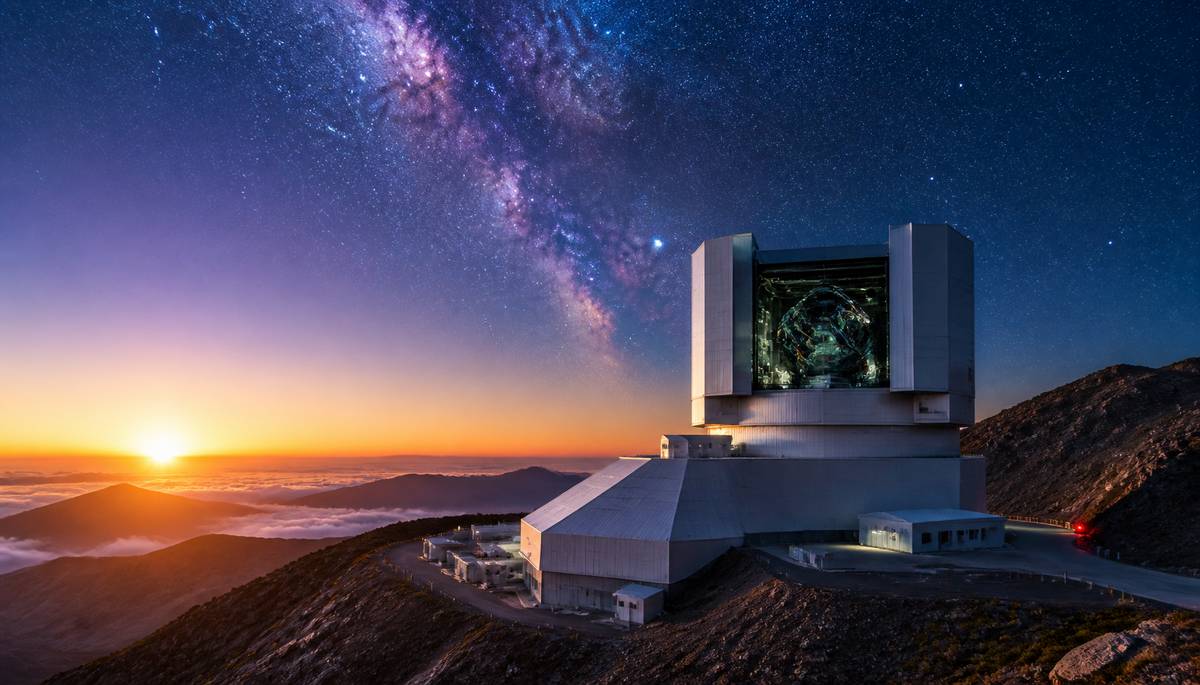 High on a Chilean ridge, where the air is thin and the night comes on like a switch being thrown, the Vera C. Rubin Observatory has started its real work: a ten-year sweep of the southern sky with the biggest digital camera humanity has yet assembled.
The machine is built for repetition and scale. It will capture hundreds of images a night, returning to the same patches of sky again and again. That cadence matters. Stack enough clean exposures and faint things begin to surface: dim stars in the Milky Way, distant galaxies, objects too ghosted and low-lit for older surveys to catch.
Scientists expect the project to map billions of stars in our galaxy and billions more galaxies beyond it. The point is not just spectacle. By watching how galaxies grow, group and shift over immense spans of time, researchers hope to sharpen the story of how the universe took shape.
Rubin, funded by the US National Science Foundation and Department of Energy, carries the name of Vera Rubin, the astronomer whose work gave some of the first persuasive hints that dark matter is out there, unseen but exerting force. The observatory may also offer clues about dark energy, the other deep anomaly in modern cosmology.
First images arrived last year. Now the tuning is done, the survey begins, and a mountaintop in Chile becomes a listening post for the universe’s missing mass.
Posted on 6 July 2026
PhotoVogue Returns to Taipei With a Sharp, Moving Study of Memory
 Taipei is getting the kind of cultural comeback that feels both chic and emotionally intelligent. After a three-year gap following its 2023 Taipei debut, Blooming Together, PhotoVogue returns to Taiwan as part of Vogue Taiwan’s 30th-anniversary programming with Fragments of Remembering.
The exhibition gathers 19 emerging artists chosen from the 2025 East Asia and Southeast Asia Regional Open Call. They come from Taiwan, Mongolia, Japan, South Korea, Vietnam, Macau, Malaysia, and Indonesia, and their work circles themes that are intimate but never small: identity, family, the body, self-expression, and local culture.
Curated by Nicole Lee, the show treats memory less like a tidy scrapbook and more like a gloriously unreliable group chat. Photography preserves a moment, but not everything around it; these works live in that gap, tracing what lingers between recall and erasure through light, shadow, after-images, and personal narrative.
The featured artists are Adam Han-Chun Lin, Chang Yu Hsuan, Chen-Lin Chen, Chiron Duong, Dhan Illiani Yusof, Enoch Kwon, Farid Renais Ghimas, Juno Seunghui Joo, Keigo Wezel, Kenta Karima, Kuei-Ting Liu, minjue, Minh Nhon, Myu Inoue, Narantsetseg Khuyagaa, Puzzleman Leung, Raina Wang, Shiori Ota, and Wei Wei Chen.
Two companion sections expand the program: Louis Vuitton Travel: Poetics of Taiwan and Vogue Taiwan Cover: Visions of Fashion. Also launching in Taipei in July 2026 is the invitation-only inaugural PhotoVogue Residency for the same 19 artists.
Posted on 2 July 2026
Astrophotography Under City Lights
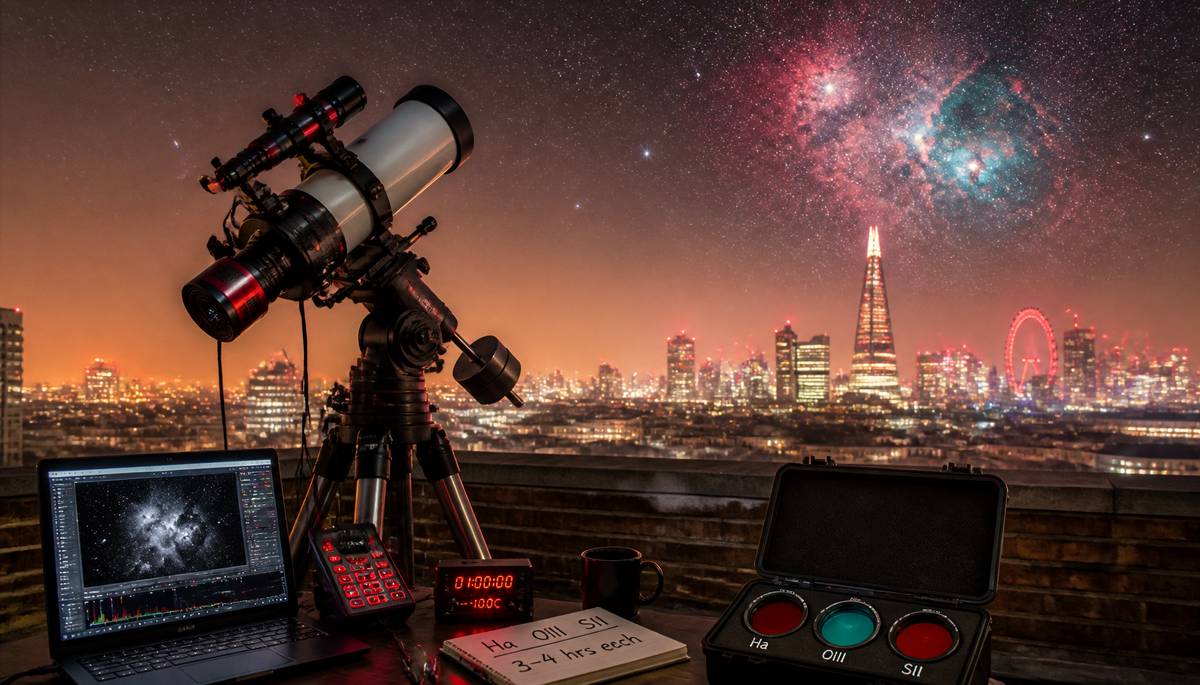 City astronomy is rather like trying to appreciate a string quartet in a bus depot: possible, but one must choose one’s instruments carefully. London astrophotographer Jaspal Chadha has spent years proving that urban skies need not end the enterprise.
His early attempts with a DSLR and a one-shot colour CCD were underwhelming. Four-hour sessions still produced soft detail and the familiar orange fug of street lighting. The real improvement came with a monochrome CCD, prized for sensitivity and wider dynamic range. It records brightness, not colour, so colour must be rebuilt with filters.
That is where strategy matters. Standard red, green and blue filters collect the whole visible spectrum and therefore a hearty helping of city glow, often leaving green and magenta gradients. A CLS CCD light-pollution filter can help, though chiefly against older low-pressure sodium lamps; under modern LED lighting, it is largely ineffective. It also reduces total light, so exposures lengthen.
For deep-sky detail, narrowband filters are the urban astronomer’s best accomplices. They isolate emission lines such as hydrogen-alpha, oxygen III and sulphur II, with 5nm and 3nm versions available, the narrower ones costing more. Chadha typically spends 3 to 4 hours on each filter, with individual exposures reaching an hour. Ha is usually strongest; OIII and SII are dimmer and noisier. He guides with an off-axis guider, then removes residual gradients in processing with Gradient Xterminator. The result can be astonishing, even in London. Posted on 29 June 2026
Photography's New Problem: Too Much Assistance
 Apple presents iOS 27 as a gift to the camera roll: less rummaging, more instant gratification. Its new AI photo suggestions can pull up images for a text thread the moment you mention a holiday, a place, or a person. Your phone now wants to be the friend who says, I already picked the good ones.
That may be efficient, but efficiency is not the same thing as taste. Photography has never been only about taking pictures. The other half of the job was deciding what mattered afterward: which frame to revisit, which one to send, which odd little blurry image somehow held the whole mood of a day.
iOS 27 pushes more of that work onto software. AI does not care about your sentimental attachment to the crooked sunset shot or the badly lit dinner photo that makes you laugh. It is built to rank by relevance and likelihood. The picture that best matches the conversation becomes the picture most likely to leave your library.
That sounds harmless until it becomes habit. If the phone keeps choosing what is important, people may gradually stop doing that choosing themselves. The device is no longer just storing memories. It is shaping them, editing them, and quietly narrating them back to us.
The real risk is not that this system misfires. It is that it works beautifully and makes us less involved in our own seeing.
Posted on 22 June 2026
When the Camera Starts Improvising Reality
 Phone cameras have become tiny illusion factories, quietly remixing reality in the name of beauty. On many modern smartphones, artificial intelligence now handles the backstage work: balancing light, boosting fine detail, erasing stray objects, and shifting colour tones, often before the user even knows a decision was made.
That convenience is powerful, but it muddies the line between record and rendering. A picture that seems like a direct slice of a moment may actually be built from several frames, with textures amplified and exposure reworked into something more polished than what the eye encountered. The result can be striking, yet noticeably different from the original scene.
The deeper tension is not simply editing, which photography has always included, but how seamlessly AI can cross into invention. Software can smooth flaws, reshape parts of a composition, or introduce visual information with little sign that the image has been altered. That weakens confidence in photos as evidence and can distort expectations of what is normal or real.
It also shifts authorship. Photographers who want control over contrast, sharpness, or colour may find their aesthetic replaced by the default taste embedded in software.
For journalism, legal use, and historical records, even subtle visual changes matter. As AI photography grows more sophisticated, clear disclosure of what was enhanced versus reconstructed may be essential to preserving trust.
Posted on 16 June 2026
When Photographs Cost Something
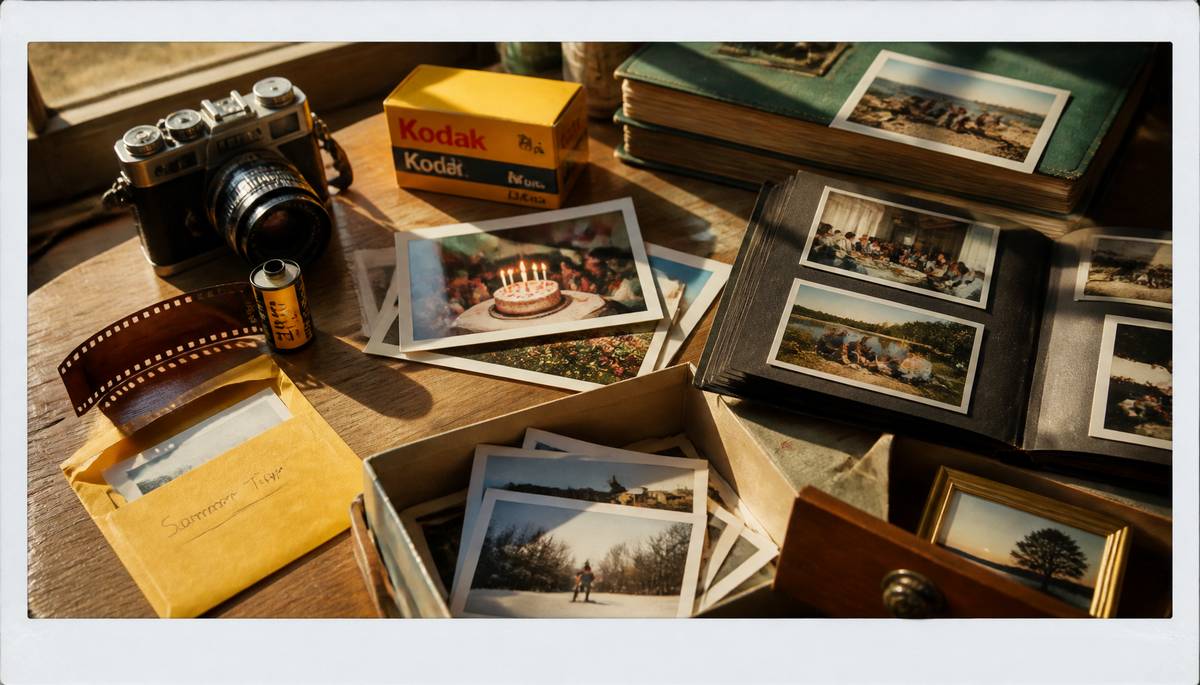 Smartphone photography turned images into a reflex. Film made them a decision.
That difference matters more than people admit. With film, there was no glowing preview to reassure you, no immediate correction, no chance to machine-gun the same scene until one version looked socially acceptable. You clicked once and entered a compact bargain with uncertainty.
Scarcity shaped behavior. A roll gave you 24 or 36 exposures, which meant photographs were usually reserved for birthdays, holidays, vacations, family gatherings, and the kinds of moments that had already announced themselves as important. The medium imposed judgment before the memory existed.
Then came the delay, which now feels almost mythic. You finished the roll, dropped it off for developing, and waited days or sometimes weeks. When the prints finally arrived, looking through them had the emotional structure of opening a present. Some were blurred, some washed out, some oddly perfect because they caught an accidental expression or a detail nobody noticed at the time. Those flawed shots often became the ones people kept.
Prints also occupied real space. They sat in albums, shoeboxes, drawers, and frames, where families could revisit them and children could discover them later.
And because self-portraits required effort, pictures were usually aimed outward. Film was slower, less efficient, and occasionally maddening. That was precisely why each frame carried consequence.
Posted on 9 June 2026
Why 120 Film Still Makes Sense in a Digital World
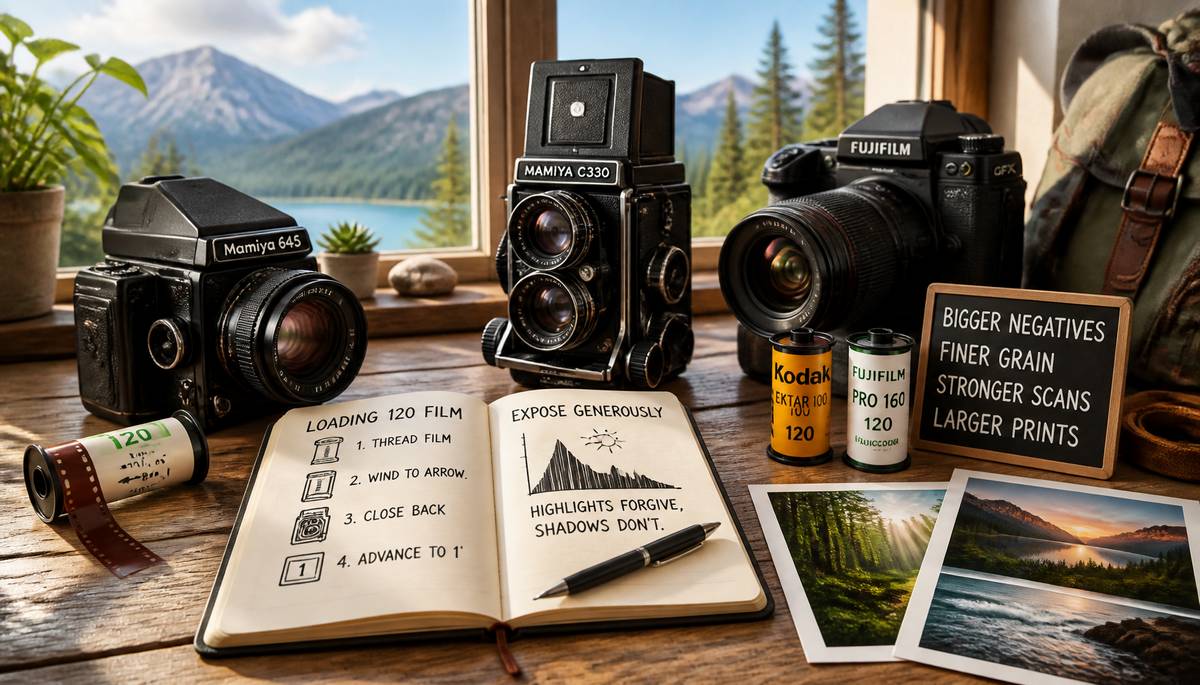 Film and digital aren’t in a cage fight; they’re two different beasts with different appetites. For photographers raised on APS-C or full-frame digital, 120 film can feel like stepping from a hatchback into a big old bus. The frame is larger, whether you’re shooting 645 or 6×7, and that changes the look in a way 35mm simply doesn’t.
The practical hurdle comes first: loading it. Unlike 35mm cartridges, 120 arrives as a roll. You thread the end onto the take-up spool, wind to the marked start arrow, shut the back, then advance until the counter reaches 1.
Once you’re shooting, the real adjustment is mental. There’s no EVF, no LCD, no immediate reassurance. You have to pre-visualize, meter, expose, then learn from the developed roll. Film generally rewards generosity with light; overexposure is usually easier to recover than underexposure.
Straight from capture, 120 film also tends to hold highlight detail beautifully. Modern digital cameras can exceed film in dynamic range, but much of that advantage appears after post-processing. Film gives a broad tonal response earlier in the chain, and darkroom work can stretch it further.
Why bother? Cost and look. Medium format digital remains expensive: even the Fujifilm GFX sits around $6500. By comparison, 120 film offers the larger-format aesthetic, bigger negatives, finer grain, stronger scans, and larger prints at a far lower entry price. Lab development and scanning are usually similar in cost to 35mm, though niche 120 stocks are harder to find.
Posted on 8 June 2026
The Chemicals of Nostalgia
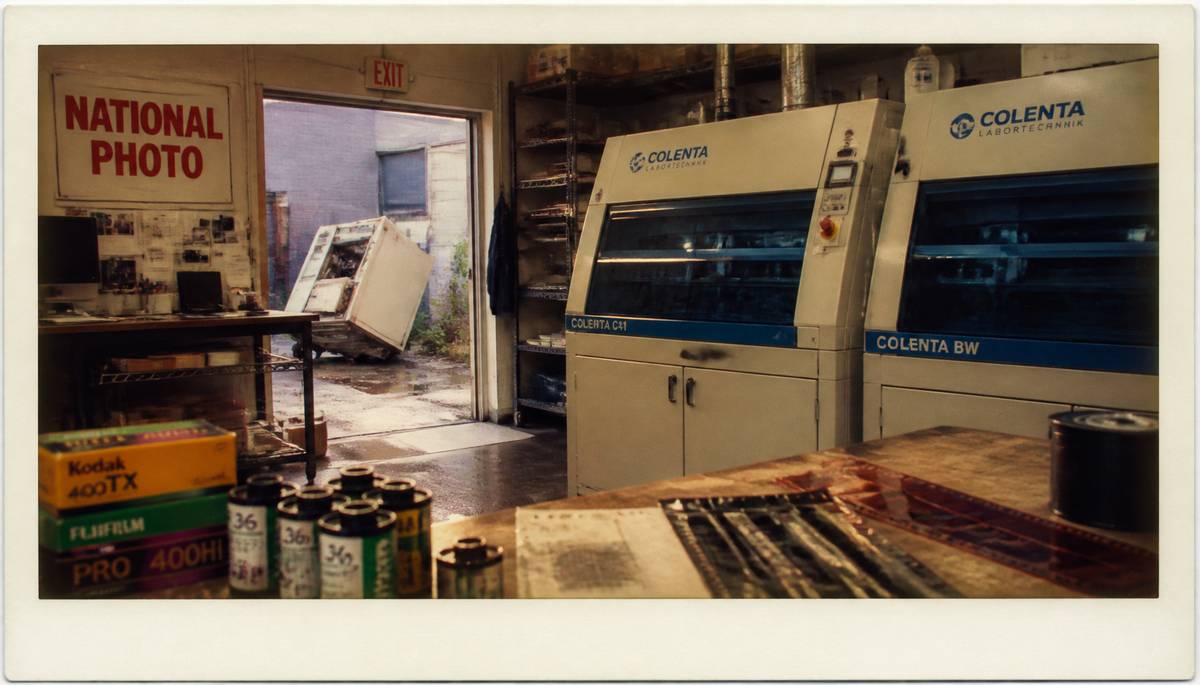 In 2014, Lev Bar-av believed film was finished. At National Photo, just outside Baltimore, he junked a refrigerator-size processor by shoving it out the back and leaving it to the weather. Business had collapsed to near-nothing: one dependable customer, Holocaust survivor and hobbyist Albert Lapidus, plus the odd straggler. Chemistry could no longer be kept fresh, so Bar-av drove Lapidus’s rolls to Techlab Photo, the city’s last local lab.
That looked like the endgame of digital’s victory. Phones and compact digitals wiped out disposables and point-and-shoots; pro digital cameras matched or beat film without the dank delay of wet processing. Manufacturers were battered. Fujifilm diversified into cosmetics, pharmaceuticals, electronic coatings, and other chemical businesses. Eastman Kodak, after spinning off its chemical arm in 1994, went bankrupt in 2012. Plants were closed, razed, or converted.
But film never quite expired. It shrank, steadied, and then, improbably, began expanding again. Since about 2020, interest has more than tripled, according to PetaPixel senior news editor Matt Growcoot, with Gen Z drawn to the imperfect look.
Techlab shut in 2017. Bar-av bought its automated developer for $1,000, merged the customer bases, and kept the old Fujifilm machine running. The pandemic accelerated the appetite for slower, tangible image-making. Roughly a decade after his rain-soaked farewell, he spent more than $100,000 on two new Colenta Labortechnik machines, one for color and one for black-and-white. Film services, including scanning negatives, now make up 70% of National Photo’s business.
Posted on 5 June 2026
George Eastman Museum Sets Reservation Rules for Prom and Portrait Photos
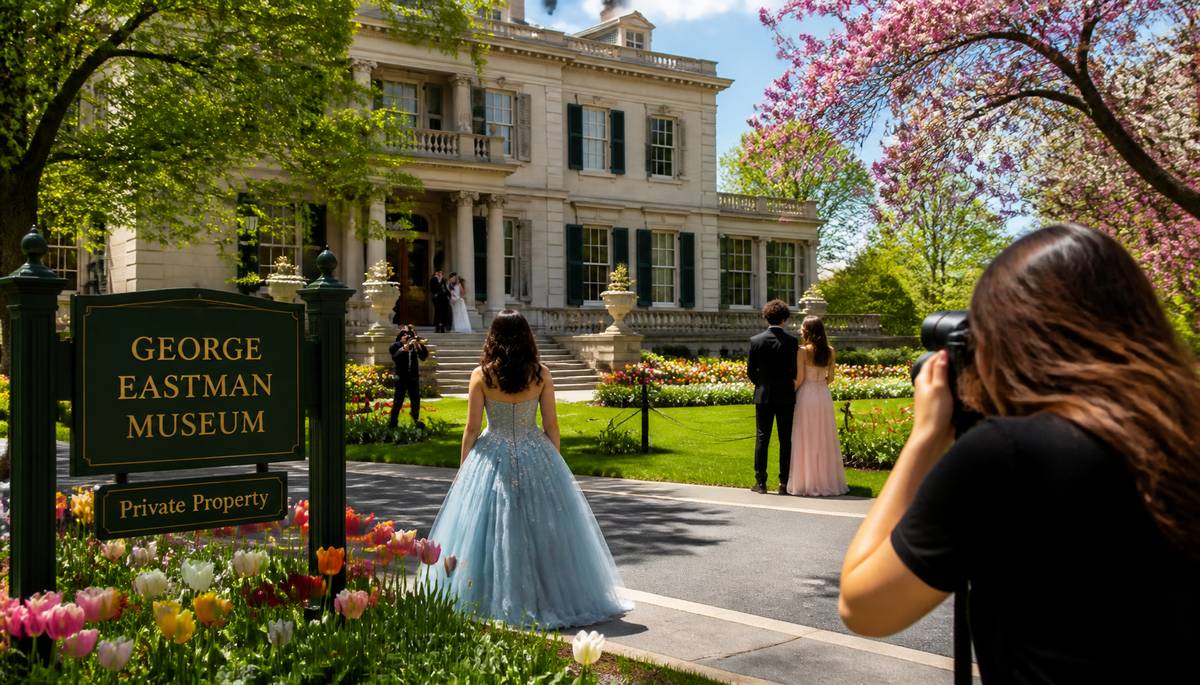 The George Eastman Museum is tightening the rules for photo shoots on its East Avenue grounds, which have become a kind of elegant Rochester red carpet for prom, graduation, engagement and senior pictures.
Starting under a new policy announced Monday, anyone running a paid professional photo session on museum property will need an approved reservation. Prom and ball photo sessions will also require reservations, even without a hired photographer. Special-event shoots held outside regular museum hours will need to be booked as well.
The price is the same as before: $400 for one hour outdoors and $600 for one hour inside the historic mansion.
Casual snapshots are still allowed during museum hours, as long as visitors are taking pictures as part of their visit and not getting in the way of others.
The museum says demand has climbed sharply, with some days bringing hundreds of people to the property for milestone photos. That volume has created crowding issues and, at times, made it harder for regular visitors to enjoy the site.
There is also a preservation issue. The museum grounds are private property, not a public park, and three gardens are currently part of a restoration and accessibility project worth more than $2 million.
The gardens are open each year from May 1 through Nov. 1.
Posted on 2 June 2026
What a Camera Can Do for the Mind
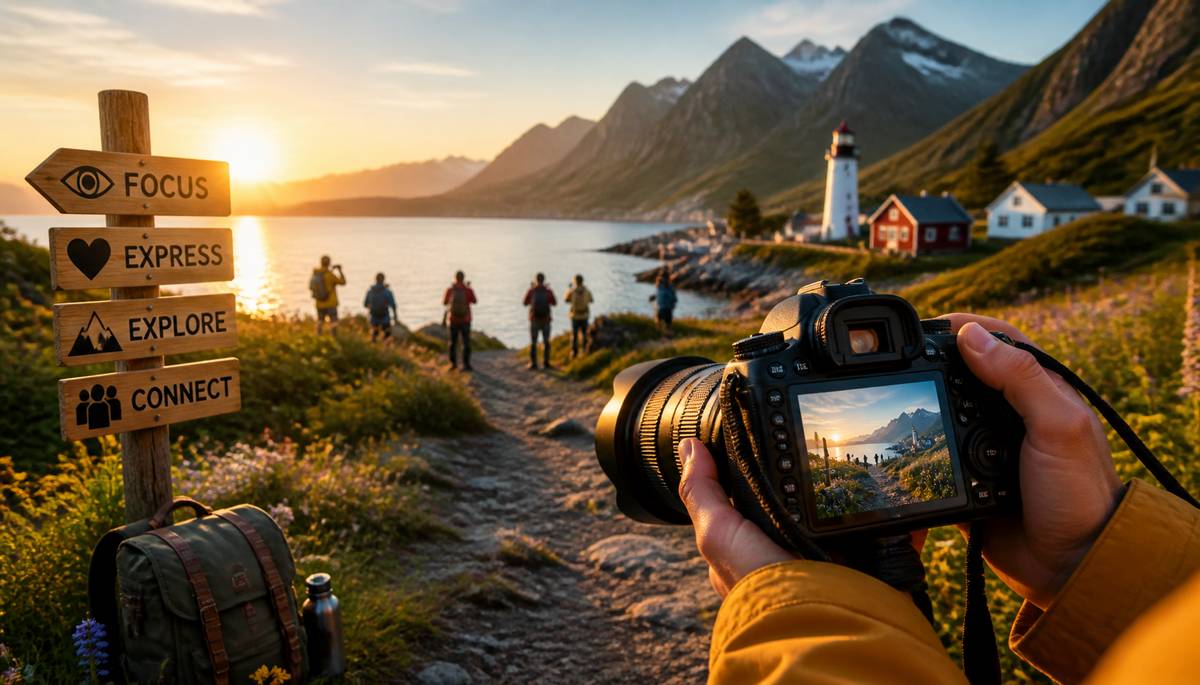 A camera, in the right hands, is less a machine than a polite excuse to notice things properly. Photography may look like a hobby built for wall space and social media, but it also carries some solid benefits for mental well-being.
Its first trick is attention. Looking for a shaft of light, balancing a frame, or waiting for the exact instant something becomes worth keeping asks the mind to stay where the body already is. That sort of concentration can interrupt the usual parade of worries, pressures, and modern distractions.
Then there is the business of saying something without having to explain yourself. Photographs tend to reveal perspective, feeling, and character by stealth. A street corner, a hillside, or an ordinary family moment can become a way of expressing what words sometimes fumble.
It helps that photography often gets people moving. Taking a camera for a walk turns exercise into a small expedition. The world becomes less a route and more a series of discoveries, and time outdoors, particularly in nature, is widely linked to lower stress and better mood.
There is company in it, too. Camera clubs, local groups, and online communities give people a shared interest, useful feedback, and one less reason to feel cut off from everyone else.
It is not a replacement for professional mental health care. But as companions go, a lens can be a remarkably good one.
Posted on 1 June 2026
Singapore’s Mikael Reaches Icelandair Final for World’s Worst Photography Contest
 A contest built on anti-perfection has handed Singapore a strange little victory lap.
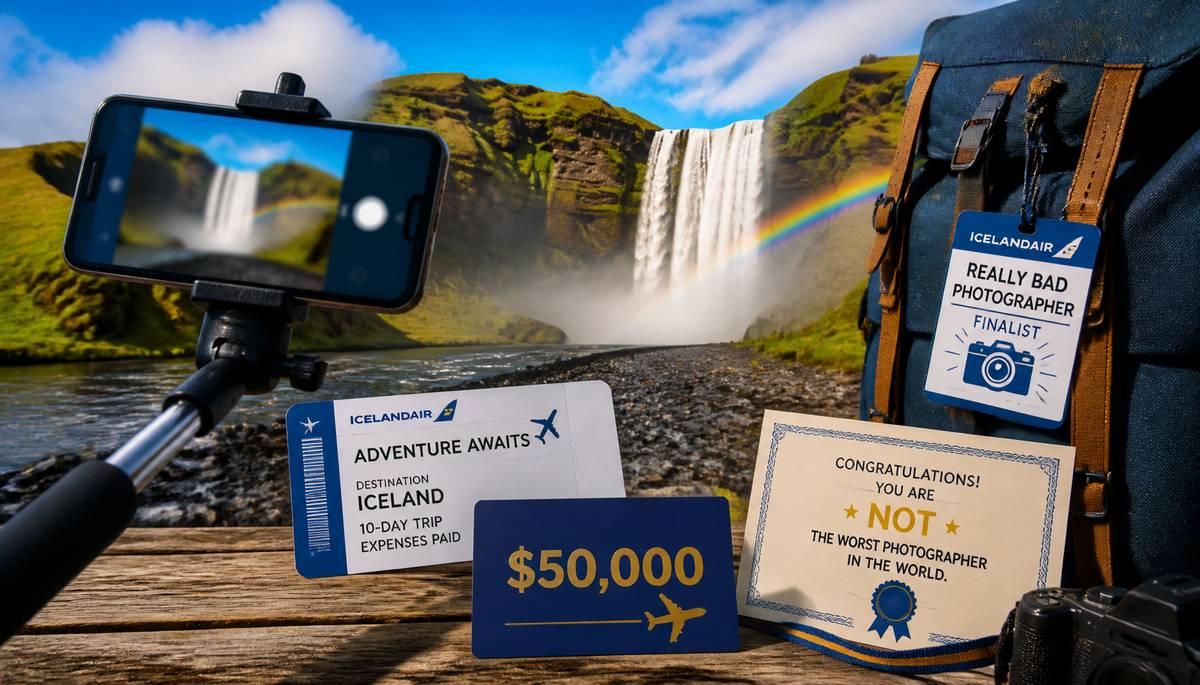
Mikael, a 24-year-old Singaporean, is one of 13 finalists in Icelandair’s worldwide hunt for a really bad photographer, announced on social media on May 28 after applications closed on April 30. The finalists, ranging from 24 to 73 years old, were selected from 127,642 entries and include people from places such as Hamburg and Paris.
The prize is deliciously disproportionate to the talent on display: a 10-day Iceland trip in June, expenses paid, plus US$50,000 (S$64,000).
Applicants had to send in a video explaining why they belonged in this gallery of glorious visual misfires. Mikael’s case was simple and almost philosophical. He said he does not care about photography as an art form and only takes pictures to remember experiences. By his own account, and according to friends, the results are usually terrible. His submission included several self-shot images that appeared noticeably out of focus. He summed up the mismatch neatly: his eyes detect beauty; his photos do not.
Icelandair said its marketing team will choose the winner based on the submitted materials and how well each finalist fits the concept.
Those who missed the cut also received a wonderfully backhanded consolation: a certificate declaring them not the worst photographer in the world.
Posted on 31 May 2026
Canon’s New RF 20-50mm Power Zoom Is Built for Video Shooters Who Have No Spare Hands
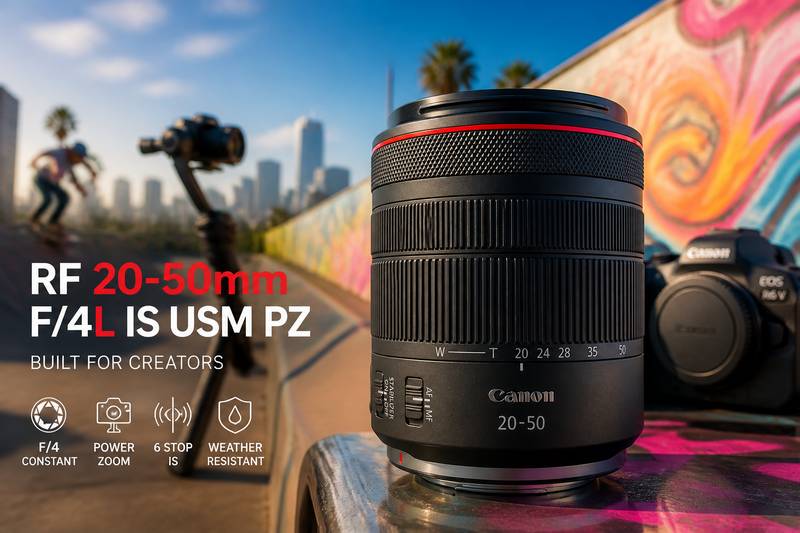 Canon has unveiled the RF 20-50mm f/4 L IS USM PZ alongside the EOS R6 V, and it feels a bit like someone finally looked at solo creators wrestling gimbals and thought: what if we made this less ridiculous?
This is Canon’s first L-series lens with built-in power zoom, no extra accessory required. It’s clearly aimed at video and hybrid shooters, especially people filming alone on sliders, handheld rigs, or gimbals. The 20-50mm range runs from ultra-wide to standard, with a constant f/4 aperture to keep exposure from doing interpretive dance mid-zoom.
Inside are 13 elements in 11 groups, including three aspherical and three UD elements. Focus breathing is suppressed, autofocus uses nano USM, and optical stabilization is rated to six stops, with extra help on bodies that support coordinated IS, including the R6 V.
The more interesting trick is the dual nano USM power zoom system. A rocker switch handles electronic zooming, while the same ring can be toggled between manual and powered control. On the EOS R6 V, users can set different zoom speeds for the lever and barrel, plus separate standby and recording speeds. The internal zoom design keeps the lens length and balance steady, which matters a lot when a gimbal is already one bad decision from mutiny.
It also supports remote zoom through Canon Camera Connect and BR-E2 or BR-E1 remotes. The lens is weather resistant, has a fluorine-coated front element, takes 67mm filters, weighs 0.93 lb (0.42 kg), and is expected in late June for $1,399, or $3,699 bundled with the EOS R6 V.
Posted on 29 May 2026
Photoshop’s AI Credits Now Show Their Price Before You Click
 Photoshop’s AI meter is finally visible before the hit. Adobe now shows an estimated credit charge when you hover over Generate, but only if tooltips are switched on in notification settings. If you disabled them, the meter stays hidden and the spending still happens.
The difference between models is brutal. A generative fill using Adobe Firefly Image 5 lands around 10 credits. The same kind of action through a partner model such as Imagen 3 can reach 40. Same impulse, very different bill.
A walkthrough by Terry Vander Heiden also highlights the trap users miss most: credits expire every month. They do not carry over. On his full Adobe suite plan, he gets 4,000 monthly credits and had burned through 3,700 with four days left before reset. That makes the end of a billing cycle the smart time to test ideas, practice, or clear smaller experiments. Big jobs make more sense right after the reset, when the clock starts fresh.
Extra credits are sold as subscriptions, not one-off refills: 2,000 for $9.99 per month, 7,000 for $29.99, 10,000 for $49.99, and 50,000 for $199. If you only need a temporary surge, the practical move is to step up, finish the work, then drop back down.
More surprising: some AI-labeled tools may not deduct credits. Tests on AI Denoise, object rotate in Free Transform, and Harmonize suggest not every smart feature drains the meter.
Posted on 28 May 2026
Stop Looking Back at the Screen
 The little narcotic of digital photography is the instant glance backward. You shoot, dip the camera, consult the glowing oracle, and meanwhile life—impolite, unrehearsed, unrepeatable—has already moved on. The cost is not merely three to eight seconds per cycle, though over a session that becomes a small bureaucratic eternity. The larger loss is momentum: attention exits the scene and enters postmortem.
For weddings, events, and street work, this is fatal. A flower girl’s absurdity, a father’s brief collapse into tears, the flash-point of a protest: these do not wait while you audit the previous frame. Worse, habitual checking breeds dependence. Instead of learning what your settings and autofocus are doing, you ask the screen to reassure you.
There are sane exceptions. Early frames in a new location are calibration. Difficult setups—flash, blends, long exposures—deserve verification. Tethered commercial work requires review. Beginners need the feedback loop.
But mirrorless cameras have changed the old logic. With bodies such as the Sony a7 V, Nikon Z6 III, and Canon EOS R6 Mark III, the EVF previews exposure and white balance live, and can display a histogram. The uncertainty once inherent to DSLR shooting is largely gone.
So disable auto review, check only at intervals, use the EVF histogram, even try 36 exposures without playback. Spend the recovered seconds watching subject, light, background, and alternate compositions. The aim is not purity; it is trust. Posted on 25 May 2026
Why Stops Matter More Than Almost Any Other Number in Photography
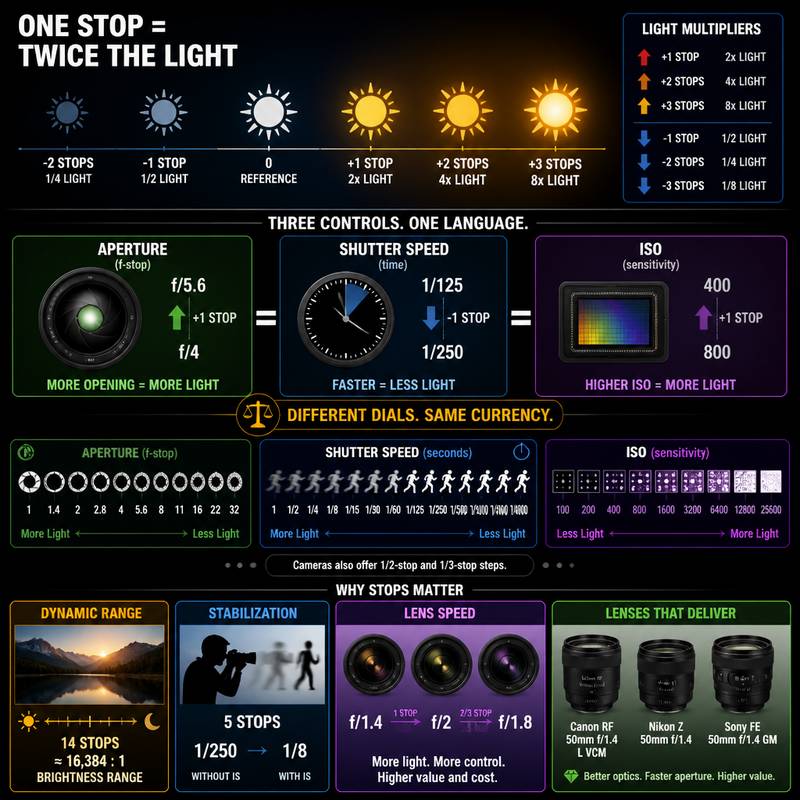 Photographers say stop so often because it turns three messy controls into one common language. In photography, a stop is simple: one stop more means twice the light; one stop less means half. Go up two stops and you get four times the light. Three stops: eight times. It sounds mathematical because it is, but in practice it is just a counting system for brightness.
That matters because aperture, shutter speed, and ISO all use different scales. Stops let them trade places cleanly. Move aperture from f/5.6 to f/4 and you add one stop. Shift shutter from 1/125 to 1/250 and you remove one stop. Raise ISO from 400 to 800 and you add one stop. Different dials, same currency.
The full-stop sequences are the backbone: aperture runs f/1, 1.4, 2, 2.8, 4, 5.6, 8, 11, 16, 22, 32; shutter roughly halves from 1 second to 1/8,000; ISO doubles from 100 to 25,600. Cameras often add third-stop and half-stop steps.
Stops also explain dynamic range, stabilization, flash, and lens speed. Fourteen stops of dynamic range means about 16,384:1 brightness range. Five stops of stabilization can turn 1/250 into 1/8. An f/1.4 lens gathers one stop more light than f/2, and 2/3 stop more than f/1.8, which is why lenses like the Canon RF 50mm f/1.4 L VCM, Nikon Z 50mm f/1.4, and Sony FE 50mm f/1.4 GM cost more.
Posted on 24 May 2026
photographerlistings.org (c)2009 - 2026